
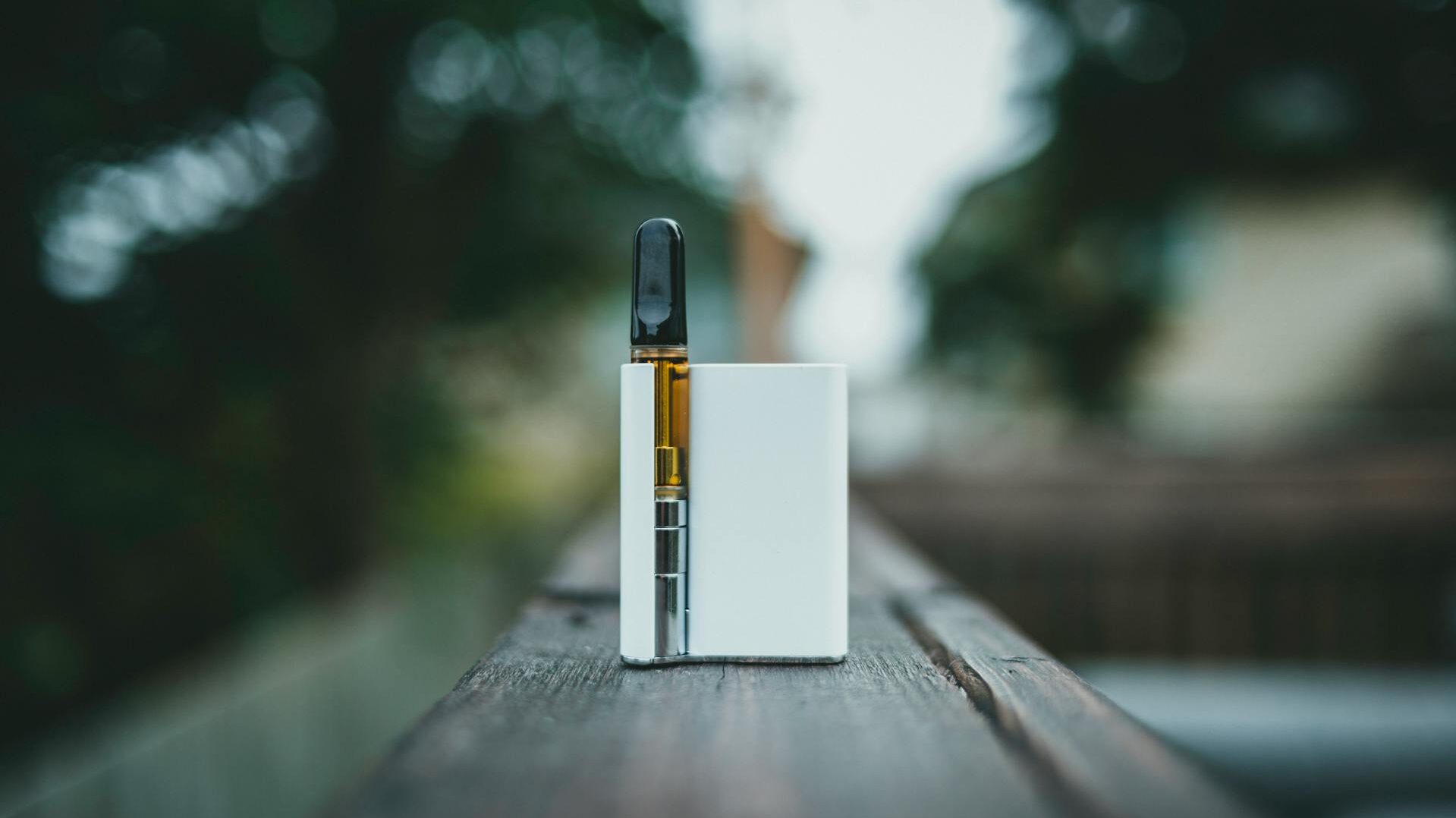
Vape SEO service is one of those categories where the operating environment shapes the work more than in almost any other vertical. Vape brands and shops face a structural reality that’s harder than what cannabis or CBD operators deal with. Google Ads bans most vape categories outright. Meta prohibits virtually all vaping promotion across Facebook, Instagram, and Threads. TikTok flags vape content aggressively. Some email service providers restrict vape senders or put them through extra review. Even basic infrastructure like payment processing is harder to secure for vape businesses than for unrestricted retail. The only acquisition channel that consistently works at scale is organic search, which means vape SEO service isn’t one option among many. It’s the primary growth engine for any vape business that wants to survive past the launch year. This article walks through what a real vape SEO service actually delivers in 2026, why most providers underperform, and what to look for when the pitches all sound interchangeable.

Why Vape SEO Service Is Different From Generic SEO
Generic SEO services optimize for an environment where paid advertising can supplement organic visibility, where most platforms welcome the brand, and where the regulatory overlay is light. Vape SEO operates in the opposite environment. Paid advertising is mostly closed. Platforms are hostile. The FDA actively monitors the category and has enforcement authority over health claims and marketing language. State and local jurisdictions add layers of restriction that vary significantly across the markets a vape brand might sell into. PMTA compliance, age verification requirements, and flavor restrictions shape what products can even be sold, let alone marketed.
A real vape SEO service has to operate fluently across all of those constraints. Generic SEO providers walking into the vertical typically import frameworks designed for unrestricted e-commerce. The frameworks don’t transfer cleanly because the structural realities are different. Buyer-intent SERPs for vape queries are dominated by third-party listicles, comparison sites, and authority publishers. Standalone vape brand sites rarely break into the top results for competitive product queries because the SERP composition doesn’t leave room. Google’s classifier treats vape content with extra scrutiny. New vape sites face indexing delays measured in weeks. AI search engines have become meaningful discovery channels with their own citation logic that favors the same listicle ecosystem.
The vape brands and shops actually growing in 2026 have figured out that their SEO service has to be tuned to these structural realities. The ones plateauing are running generic SEO playbooks against an environment those playbooks weren’t designed for. The gap between the two approaches widens every quarter as the operating environment continues to shift against vape brands and the structural advantages of the right approach compound.
What a Working Vape SEO Service Actually Delivers
Strip generic agency language away and the working scope for a vape SEO service in 2026 breaks down into specific functional areas. Each area contributes to a system rather than functioning independently. A real service handles all of them. Generic providers handle two or three and call it complete.
First, authority placement coverage through networks built for restricted industries. The buyer-intent SERPs for vape queries are dominated by ranked listicles and authority publishers. Standalone vape sites rarely break into the top results for queries like “best disposable vape 2026” or “top vape brands” because the structural advantage sits with the publishers running those listicles. A working vape SEO service places the brand inside those listicles rather than trying to compete with them on the brand’s own domain.
ALT Placements is an authority placement network built for restricted industries. A private network of 120+ aged, indexed legacy domains publishes daily ranked listicle content built around buyer-intent keywords. Vape brands get placed inside listicles like “Best Vape Brands 2026,” “Top Disposable Vapes Reviewed,” “Leading E-Liquid Brands,” and similar phrases customers actually search. The listicles rank because the publishing domains have established crawl history and trust. The brand inherits that authority without spending months building it on its own slow-to-index domain.
Second, on-site SEO foundations including technical work, compliant content production, and conversion infrastructure. Foundation work that lets upstream visibility actually convert into revenue. Mobile experience matters especially in this category because vape customers research heavily on phones.
Third, Google Business Profile optimization for vape shops and brick-and-mortar operations. The Map Pack is the highest-converting placement for “vape shop near me” queries, and GBP suspensions in vape retail are common enough that recovery protocols matter. Generic providers treat GBP as setup-and-forget. Real vape SEO services maintain suspension-resistant configurations and have documented appeal processes.
Fourth, AI search citation methodology. ChatGPT, Perplexity, Gemini, and Claude have become meaningful vape discovery channels. Customers ask AI engines for vape brand recommendations and the brands cited in those recommendations get the click. The cited brands are the ones inside the listicle ecosystem.
Fifth, compliant content production aligned with FDA, state, and platform-level rules. The compliance overlay for vape content is more complex than for general e-commerce and getting it wrong creates regulatory exposure that’s expensive to clean up later.
Sixth, email and SMS infrastructure with vape-friendly providers. Some mainstream email platforms restrict or closely review vape brands. Working vape SEO services either include this infrastructure or have established relationships with the providers that do support the category.
Seventh, supporting work across affiliate networks, influencer partnerships within FDA rules, and organic social where platforms permit it. Supplementary tactics that compound around the primary visibility lever.
Why Most Vape SEO Services Underperform
The failure modes show up consistently across vape SEO service engagements that don’t produce revenue results. Most failed engagements hit at least two of these patterns.
First, the generic playbook problem. The provider imports frameworks from unrestricted e-commerce SEO and applies them to vape without acknowledging the structural differences. Content targets informational queries that drive low-intent traffic. Keyword strategy ignores the SERP composition reality. Link building runs through outreach channels that don’t address the third-party listicle layer where buyer-intent visibility actually happens.
Second, the indexing blind spot. Vape content indexes slowly on new or mid-authority domains. Generic providers publish content and wait, then blame Google when nothing indexes. Real vape SEO services have infrastructure or pre-trusted publishing access that solves the indexing speed problem.
Third, the compliance gap. The provider mentions FDA and state regulations in pitch conversations but has no specific protocols when content actually gets produced. Effects-based language slips through. Implicit health claims accumulate. By twelve months the brand has regulatory exposure the provider never flagged.
Fourth, the AI search omission. The provider has no integrated strategy for getting the brand cited in ChatGPT, Perplexity, Gemini, and Claude recommendations. The brand misses the growing slice of vape discovery happening through AI engines. By the time the brand notices competitors getting named in AI answers, the provider is at least a year behind on methodology.
Fifth, the reporting disconnect. The provider reports on sessions, rankings, and domain authority rather than revenue-adjacent metrics. The brand can’t tell from the reports whether the SEO investment is producing actual sales. The relationship continues because nothing in the reporting reveals that it’s not working.
Stack those five failure modes together and the typical underperforming vape SEO service looks competent on paper while producing no meaningful revenue lift. The work isn’t wrong in execution. It’s wrong in methodology, and the methodology gap doesn’t show up in pitch conversations or monthly reports unless the brand knows what to look for.
The Working Model: Authority Placements as the Primary Lever
The vape SEO services producing real revenue lift in 2026 anchor on authority placements rather than owned-content SEO or generic backlink work. The reasoning is structural.
The mechanic. Authority placement networks publish daily ranked listicle content built around buyer-intent vape keywords. Brands get placed inside listicles that already rank for queries customers actually search. The placements get traffic because the host domains have established authority. The brand inherits that authority through the placement without spending months trying to build it independently on its own domain.
The indexing speed is what makes this work as a primary lever. New content on aged legacy domains indexes in days, not weeks. The brand’s name appears in search results inside the first week of placement. Click-through volume from buyer-intent listicles starts measurable inside the first month. That timeline collapse matters in vape specifically because the paid channel alternatives are closed and slow organic ramp directly translates into missed revenue the brand can’t recover through other channels.
The format fits the regulatory environment cleanly. Listicle placements provide factual comparative information about vape brands without requiring claims that could trigger FDA scrutiny. The brand gets named in a curated comparison context, which is exactly the format AI search engines treat as authoritative for buyer-intent recommendations. A single placement asset captures Google buyer-intent traffic, AI citation visibility, and brand co-occurrence signals through one workflow.
Volume compounds the effect. Daily publishing across a network designed for restricted industries means a vape brand’s name gets reinforced across multiple listicles during the placement cycle. The cumulative co-occurrence signal builds the kind of authority that LLMs treat as a recommendation trigger when answering buyer-intent vape queries through AI search engines.
Trade-offs worth naming. The 60 to 90 day window for full placement settlement is the honest timeline. Vape brands needing leads next week should pair this with shorter-cycle tactics like SMS to existing customer lists and affiliate activations, then let placements compound underneath. Placements share the page with other vape brands in the listicle format, so positioning matters but isn’t always exclusive. And the strategy works hardest when the brand’s e-commerce experience converts cleanly. Broken checkout, slow mobile load, or confusing age verification flows won’t get fixed by adding upstream traffic.
Problem, Cause, Solution, Outcome: A Vape Brand Stuck After Ad Account Loss
Take a hypothetical vape brand selling disposables and e-liquids direct-to-consumer through their own e-commerce site. The brand had been running a balanced acquisition mix that included Google Shopping for compliant product categories, Meta ads on parent company accounts, and influencer partnerships, with SEO as a supporting channel. Late 2024 the brand lost its Meta ad accounts in a policy enforcement sweep. Early 2025 the Google Shopping campaigns were suspended after a category review. By mid-2025 the brand was running on residual influencer traffic, repeat customer email marketing, and an SEO program that had been treated as supplementary rather than primary.
The cause sits in strategic fragility. The brand’s growth engine had been built on three channels the brand didn’t control, and the channels moved. The SEO program had been competent but underinvested because the assumption had been that paid channels would carry the primary acquisition load. Once the paid channels collapsed, the SEO program wasn’t structured to compensate. Generic owned-content SEO. No authority placement strategy. No AI search citation methodology. No infrastructure for the indexing speed problem that hits new vape content.
The fix restructures the SEO program around authority placements as the primary lever. The brand engages a vape SEO service that uses the ALT Placements network for placement coverage across buyer-intent vape SERPs. The service builds AI citation tracking into the reporting cadence. The service handles compliance review with documented protocols rather than the generic mentions the previous provider had offered. The brand reduces blog publishing frequency and refocuses content on supporting the placements rather than carrying primary visibility load.
Within 90 days the brand starts appearing in top-three positions of major buyer-intent vape listicles. AI search citations follow on category and product-type queries. E-commerce conversion improves because the traffic arriving is higher-intent than what the previous paid channels had been generating. Revenue trajectory reverses. The new approach isn’t immune to channel volatility, but it’s structured so that no single platform’s behavior can collapse the engine the way the paid channel loss did. The brand has shifted from depending on platforms that don’t want it to depending on a visibility layer that doesn’t require platform cooperation.
How Compliance Shapes Vape SEO Service Work
Compliance in vape SEO is more complex than in general e-commerce SEO because the regulatory environment spans FDA, state, and platform-level rules that often conflict and change. A working vape SEO service treats compliance as a design constraint from the start.
The frameworks. FDA tobacco product advertising and promotion guidance sets federal restrictions on what can be said about vape products. PMTA compliance affects which products can even be marketed. FTC health products compliance guidance applies to any health-related claims a vape brand makes. State-level rules vary significantly. Some states ban flavored products entirely. Others restrict where vape products can be sold. Others have specific rules about advertising imagery, audience targeting, or product positioning. Local jurisdictions add additional layers.
Platform rules compound the regulatory layer. Google’s content policies for vape products affect search visibility independent of organic ranking factors. Even when the brand isn’t advertising, Google’s classifier behavior toward vape content shapes how SEO work performs. Meta’s policies affect anything indexed for social sharing. Email service providers add their own restrictions.
Real vape SEO services build editorial standards into the publishing workflow from the start. Documented terminology lists for what gets used and what doesn’t. Health claims reviewed by someone with regulatory background before publication. Effects-based language flagged automatically. Substantiation files maintained for any marketing claims. Quarterly audits of older content to catch drift.
Generic providers handle compliance reactively. Content gets produced. Review happens when someone remembers. Drift accumulates. By twelve months the brand has regulatory exposure the provider never flagged. The cleanup is expensive and slow. The simplest test for whether a vape SEO service treats compliance seriously is to ask them to walk through their review process step by step. Real services walk through it confidently and can produce documentation. Generics pivot to vague language about case-by-case review.
How Vape Customers Actually Find Brands in 2026
The customer discovery journey for vape brands has shifted significantly. A working vape SEO service designs coverage around the current journey rather than the older model most generic playbooks still assume.
| Discovery Channel | Rough Share of New Customer Acquisition (Our Estimate, Not Survey Data) | What Wins This Channel | What Loses It |
|---|---|---|---|
| Google search for buyer-intent queries | 30 to 40 percent | Authority placements on ranked listicle pages | Owned brand content on slow-indexed sites |
| AI search recommendations | 10 to 15 percent and rising | Brands cited in the listicle ecosystem | Brands relying on traditional backlinks |
| Influencer and creator content | 15 to 25 percent | Partnerships within FDA and FTC rules | Mass-blast posts without compliance review |
| Word of mouth and existing customers | 15 to 25 percent | Strong product, retention infrastructure | Acquisition-only focus without retention |
| Physical retail and vape shop discovery | 10 to 15 percent | Brand recognition built through other channels | Unknown brands lacking trust signals |
The numbers shift by product category. Disposable vapes lean more toward physical retail discovery. Open-system devices and e-liquids lean more toward Google search and AI recommendations because customers research more before purchase. Pod systems sit in the middle. A working vape SEO service tunes coverage to the brand’s specific product mix rather than applying a uniform strategy across categories.
In our view, organic search visibility and AI citations together drive a large share of vape discovery in 2026. Any service that doesn’t prioritize both is leaving meaningful demand uncaptured.
The AI Search Layer Working Vape SEO Services Address
The AI search citation layer is one of the clearest tests of vape SEO service maturity. Services that have integrated AI citation work into their methodology produce different results from services that treat AI search as a vague future concern.
The mechanism. AI engines pull recommendations from sources they treat as authoritative, which for buyer-intent vape queries means ranked listicle pages on aged authority domains. Clear entity markup, comparative framing, named brands with descriptive context. The engines were trained on these page types as the canonical recommendation format and inference behavior reflects that training.
Owned vape brand content rarely gets cited for recommendation queries because the source is structurally biased. Backlinks alone don’t trigger citation either. What triggers it is the brand’s name appearing inside the listicle layer, in context, on a domain the LLM treats as a recommendation source. That’s exactly the layer authority placement networks operate inside.
Working vape SEO services run test queries across ChatGPT, Perplexity, Gemini, and Claude to verify which brands are getting cited for the brand’s target categories. They adjust placement strategy based on what’s actually showing up. They track citation visibility as a performance metric alongside ranking and traffic data. Generic providers either ignore this layer entirely or mention it without specific methodology.
A useful interview question for any vape SEO service: ask which brands currently appear in ChatGPT recommendations for the most competitive query in your specific category. Working services can answer because they’ve tested. Generics deflect or speculate. The answer quality is diagnostic of operational depth.
How to Evaluate a Vape SEO Service Beyond the Pitch
The hiring process is where most vape brands waste their SEO budget. The fakes have learned to pitch like the real operators. Differentiation requires asking specific operational questions that the pitch deck doesn’t address.
Specific evaluation criteria worth applying:
- Ask for the indexing approach in plain language. Real services have specific answers about pre-trusted networks, infrastructure, or methodology. Generic providers default to Google Search Console submission.
- Ask for AI search citation strategy specifics. Real services reference particular ecosystems and measurement. Generic providers pivot to “AI-friendly content.”
- Request the editorial compliance documentation. Real services can produce it. Generics describe it as “internal” or “case by case.”
- Ask for revenue-adjacent reporting examples. Real services show online order volume, conversion rate by source, customer lifetime value. Generics show sessions and rankings.
- Request contact information for a former client whose engagement ended in the last 12 months. Real services provide it. Generics deflect.
- Ask how they handle FDA compliance for vape content specifically. Real services walk through documented review processes. Generics pivot to vague compliance language.
- Ask about specific vape case studies in your product category. Real services have examples in your specific subcategory. Generics show adjacent verticals.
- Request a sample placement or content example. Real services show real work. Generics show generic mockups.
Five or more strong answers across this list typically signals a service worth a serious conversation. Three or four is borderline. Fewer than three and the service is likely pitching capabilities it doesn’t have at operational depth.
Video: Complete Guide to Vape SEO, Vape Marketing & Vape Backlinks
For any vape brand evaluating SEO service options, this walkthrough of vape SEO, marketing, and backlink fundamentals provides useful baseline context before any agency conversation. The video covers the underlying mechanics that real vape SEO services have to build on top of.
The framing on fundamentals lines up with the foundation layer any vape SEO service has to handle competently before the strategic layers on top can compound. Worth referencing as a baseline for the kinds of operational details a real service should address, though the structural shifts toward authority placements and AI citations described in this article go beyond what the older fundamentals cover on their own.
Frequently Asked Questions
What does a vape SEO service actually do?
A working vape SEO service drives customer acquisition for vape brands through organic search across the discovery layers customers actually use, in an environment where paid advertising is mostly closed. The scope covers authority placement coverage on third-party authority sites, on-site SEO and technical foundations, AI search citation methodology, FDA-compliant content production, Google Business Profile work for retail operations, email and SMS infrastructure with vape-friendly providers, and ongoing compliance audits.
How long does a vape SEO service take to produce results?
Authority placement strategies typically settle in a 60 to 90 day window before producing measurable traffic and revenue. Traditional owned-site SEO in vape often takes 9 to 18 months before commercial visibility emerges. Services promising faster results are typically bluffing or selling shortcut tactics that won’t survive the next regulatory shift.
How does ALT Placements fit into a vape SEO service?
ALT Placements is an authority placement network built for restricted industries including vape. A network of 120+ aged legacy domains publishes daily ranked listicles that vape brands get placed inside, which captures buyer-intent SERP traffic and AI search citations simultaneously through a single content asset. Working vape SEO services use the network as a primary visibility lever because it solves multiple structural problems through one workflow.
Can vape brands run any paid advertising at all in 2026?
Very limited. Google Ads bans most vape categories. Meta prohibits virtually all vape promotion. TikTok bans vape advertising. Some programmatic networks support vape inventory under strict targeting and creative rules. Some niche affiliate networks accept vape brands. The available paid options aren’t sufficient to drive primary acquisition for most vape brands, which is why organic search through a working vape SEO service carries most of the customer acquisition load.
Does a vape SEO service help with AI search visibility?
A competent one does. The service should have specific methodology for getting brands cited in ChatGPT, Perplexity, Gemini, and Claude recommendations, which in vape means coordinating placements on the listicle and authority pages AI engines pull from. Services treating AI search as a future concern rather than a present-tense discovery channel are running outdated playbooks regardless of how the pitch describes the capability.
What kinds of vape businesses benefit most from a specialized SEO service?
Direct-to-consumer vape brands selling disposables, pods, open-system devices, and e-liquids. Vape shops with brick-and-mortar locations needing Map Pack visibility. Vape wholesale operations targeting B2B retailer acquisition. Multi-category hemp and vape brands navigating overlapping regulatory frameworks. The common factor is having a real commercial offer, functional conversion infrastructure, and the operational scale to absorb the 60 to 90 day placement settlement timeline.
How much should a vape SEO service cost?
Pricing varies widely. Entry-tier providers running outdated playbooks often charge less than mid-tier providers running modern integrated work. Premium specialized vape SEO services tend to charge more than generalist agencies. Price doesn’t reliably indicate quality. Evaluation based on operational capability and revenue-adjacent case studies matters more than monthly retainer comparisons.
What should vape operators avoid when hiring an SEO service?
Avoid generic agencies with no vape-specific case studies, anyone unable to explain their indexing approach in plain language, anyone promising fast rankings on competitive vape queries, and anyone whose FDA compliance protocols are vague when pressed. Be cautious of services that don’t acknowledge the AI search shift or can’t speak fluently about state-level vape regulations, because both signal a playbook outdated in ways that will cost the brand months of wasted budget.